
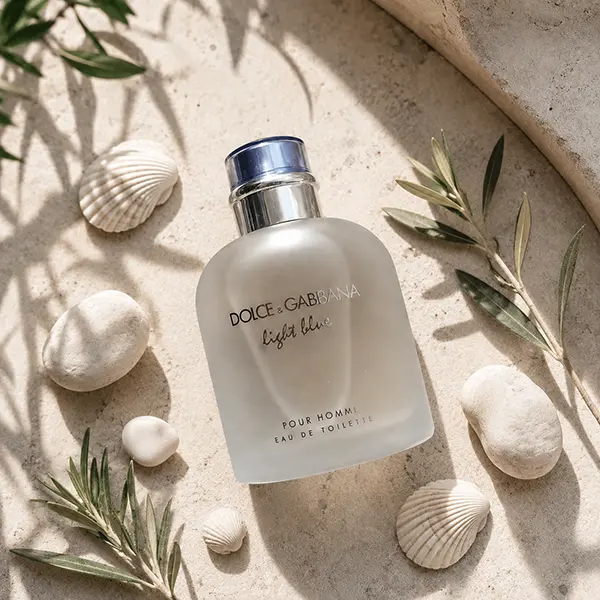
A citrus-aromatic EDT for men with mandarin, grapefruit, rosemary, pepper, Musk Wood, incense and oakmoss. See more
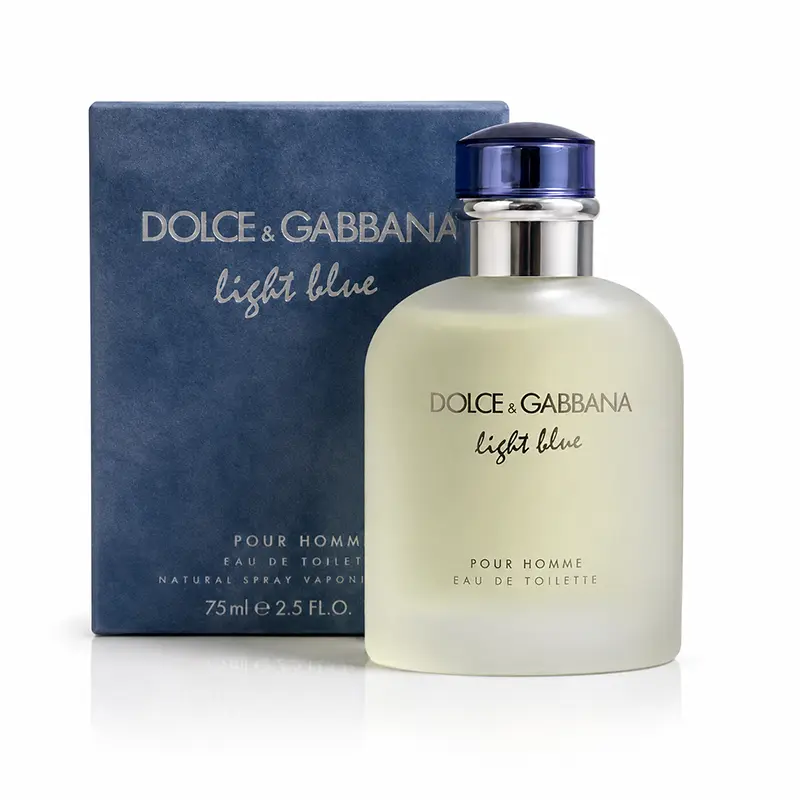
This product refers to the earlier Light Blue Pour Homme Eau de Toilette composition introduced in 2007, not the later same-name reformulation. That distinction matters because the scent structure, bottle presentation and note profile associated with the earlier edition are different from the newer version.
For buyers who remember Light Blue Pour Homme for its brisk citrus opening, aromatic heart and dry musky-woody finish, this is the profile to look for.
The Light Blue Pour Homme name has remained familiar while the formula and presentation have evolved. A listing that shows only the product name may therefore be insufficient to identify the exact edition. For this earlier Eau de Toilette, the most useful identity checks are the 2007 composition, the established note pyramid and the corresponding legacy bottle and box design. The newer version centres on a different three-note structure, so its description should not be used to judge this edition.
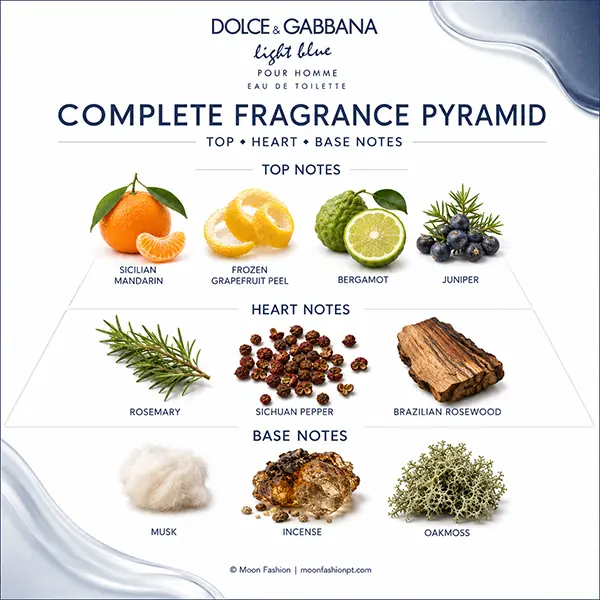
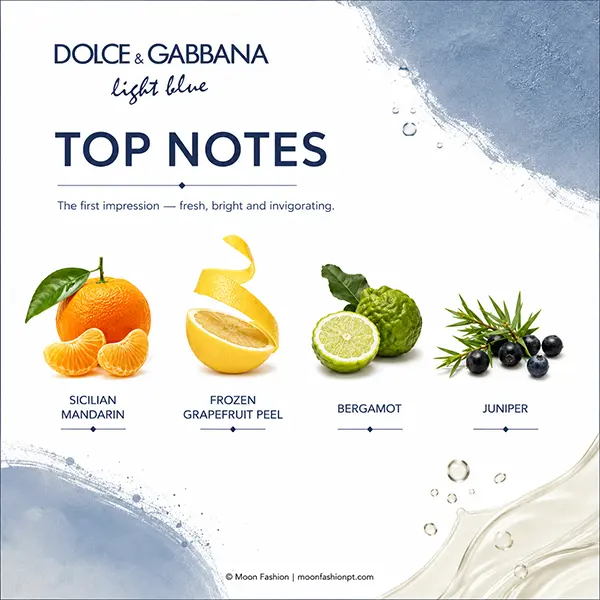
Top Notes: Sicilian Mandarin, Frozen Grapefruit Peel, Bergamot, Juniper
The opening combines juicy citrus brightness with a cooler, more aromatic edge. Mandarin brings roundness, grapefruit peel adds a sharper bitter-zest effect, bergamot contributes lift, and juniper keeps the citrus from becoming simply sweet.
The top is more structured than a basic lemon-and-orange accord. Sicilian mandarin gives the first impression a softer citrus body, while frozen grapefruit peel introduces a drier, slightly bitter contrast. Bergamot bridges those two directions with a bright aromatic quality. Juniper changes the texture further: rather than adding another fruit tone, it brings a crisp botanical character that helps the fragrance move towards its aromatic heart. The result is a citrus opening with both brightness and dryness, which is one reason this edition can feel clean without relying on a single dominant citrus note. The distinction between fruit flesh and peel is also useful: the grapefruit element is presented as frozen peel, directing attention towards zest, bitterness and aromatic sharpness rather than syrupy fruit. Juniper then reinforces that drier interpretation and prepares the transition into rosemary.
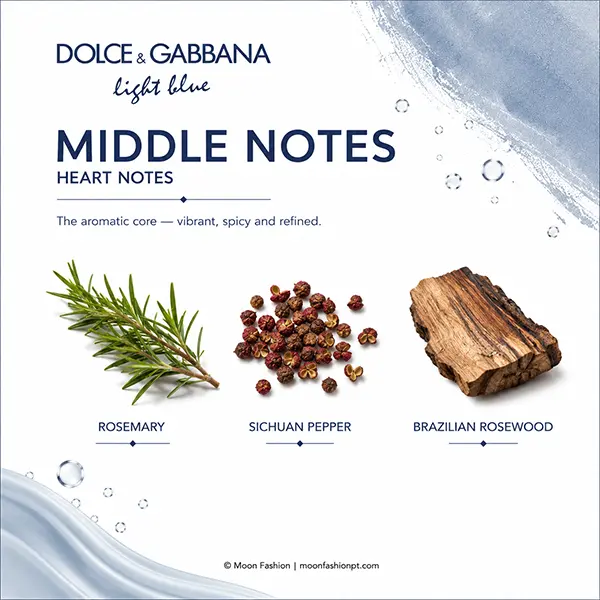
Heart Notes: Rosemary, Sichuan Pepper, Rosewood
Rosemary becomes the central aromatic cue as the opening settles. Sichuan pepper adds dry spice, while rosewood contributes a woody bridge between the lively top and the deeper base.
As the top notes recede, the composition does not move into a floral or sweet heart. Instead, rosemary reinforces the dry, herbal side already suggested by juniper. Sichuan pepper gives the middle a sharper texture rather than a sugary warmth, and rosewood introduces a smoother woody direction. This combination keeps the scent relatively clear while still creating a noticeable transition: the opening is fruit-and-zest driven, whereas the centre feels more aromatic, spicy and woody. Sichuan pepper is especially important to that change because it provides contrast without turning the heart into a dense warm-spice accord. Rosewood then gives the transition a woodier contour, making the later musk wood and oakmoss feel connected rather than abrupt.
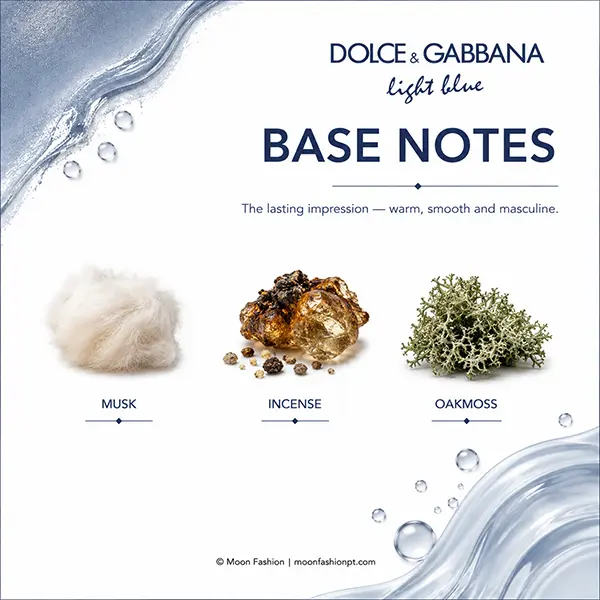
Base Notes: Musk Wood, Incense, Oakmoss
The dry-down moves away from the opening citrus towards musk wood, incense and oakmoss. Together they give the later stages a drier, more grounded character.
Musk wood provides the smooth structural base, while incense introduces a darker, slightly resinous dimension. Oakmoss adds an earthy, dry-green accent that prevents the finish from becoming purely musky. None of these notes needs to dominate on every wearer; the important point is the direction of travel. Light Blue Pour Homme begins bright and aromatic, then gradually settles into a less sparkling, more subdued woody-musky base with incense and mossy depth.
The composition follows a clear progression: citrus and juniper first, aromatic spice in the centre, then musk wood, incense and oakmoss underneath. Buyers who prefer a fragrance to become drier as it develops may find this transition relevant.
At first application, the most noticeable contrast is between ripe citrus character and the sharper effect of grapefruit peel and juniper. As that brightness softens, rosemary and pepper become more apparent and the fragrance feels less fruity. Rosewood helps connect the aromatic middle to the base without creating a sudden change. In the final phase, the citrus impression is reduced while musk wood, incense and oakmoss provide a quieter, more textured background. The composition therefore changes in tone without becoming dramatically heavier. That continuity is useful when deciding whether the perfume suits your taste: the later stages do not abandon the freshness completely, but they reduce the fruitiness and place more emphasis on aromatic dryness, musk and woods. If the opening is the part you remember most, the heart and base explain why the fragrance does not remain a simple citrus splash.
The 2007 Light Blue Pour Homme composition is commonly classified as Citrus Aromatic. That description is useful because the fragrance is not only citrus-led: juniper, rosemary and pepper are central to its recognisable character.
This composition may suit buyers who want freshness without a strongly sweet base, or who prefer citrus combined with herbs and woods rather than a purely aquatic effect. It may be less intuitive for someone specifically looking for a dense gourmand, heavy amber or strongly vanilla-led perfume. Those are preference distinctions based on the verified note structure, not absolute rules about who can wear the fragrance. The combination is also useful for buyers who enjoy contrast: the mandarin and bergamot give immediate brightness, but the perfume does not continue in a sweet direction. Rosemary, pepper, incense and oakmoss progressively dry the profile, while musk wood provides continuity underneath.
Light Blue Pour Homme was introduced in 2007 and is attributed to perfumer Alberto Morillas. That places this edition within the original men's Light Blue story rather than the newer same-name formula.
Launch year and perfumer attribution are useful here for more than historical interest. Because a later Light Blue Pour Homme Eau de Toilette uses the same core name, the 2007 date provides a practical reference point when comparing descriptions online. If a retailer describes the fragrance with Sicilian mandarin, frozen grapefruit peel, bergamot and juniper at the top, followed by rosemary, Sichuan pepper and rosewood, that aligns with the earlier composition discussed on this page.
In 2008, Dolce & Gabbana Light Blue Pour Homme received the Fragrance Foundation’s Fragrance of the Year – Men’s Prestige award. This is a documented historical distinction attached to the earlier fragrance.
The award is useful historical context, but it should not replace the more practical buying questions of scent profile, concentration and edition. It does not guarantee that every buyer will prefer the fragrance, nor does it establish performance on a particular wearer. Its value here is simply to place the 2007 release within the recognised fragrance landscape of its period.
The bright citrus-aromatic structure often makes this style easy to consider when a buyer wants something lighter-feeling and less sweet. Warmer conditions can make the opening relevant, although personal preference should remain the deciding factor.
There is no need to treat Light Blue Pour Homme as restricted to one season or occasion. Its mandarin, grapefruit, bergamot, juniper and rosemary profile may feel particularly natural in warm weather or daytime settings because the composition begins with a clear, bright character. Some wearers may also prefer that freshness indoors or throughout the year. Climate, application and individual taste all change how useful seasonal labels are, so they are better treated as guidance rather than rules.
Wearer feedback on the earlier Eau de Toilette varies, with many reports placing it closer to moderate or lighter performance than to a dense, projecting style. Exact longevity or projection cannot be promised because skin, climate, application and individual perception differ.
A numerical longevity promise can make a perfume description look precise while still being misleading. Eau de Toilette concentration alone does not determine how long a fragrance will remain noticeable, and community experiences for this product are not identical. The more useful expectation is qualitative: Light Blue Pour Homme was built around a bright citrus-aromatic opening and a comparatively restrained dry-down. Buyers seeking a very heavy, room-filling scent should judge it on that character rather than assume intensity from the brand name or bottle size.
The earlier Light Blue Pour Homme Eau de Toilette range was offered in 40ml, 75ml, 125ml and 200ml formats. These are size variants of the fragrance family, not different note pyramids simply because the bottle capacity changes.
Volume is only one part of product identity. A 200ml bottle, for example, cannot be assumed to belong to the 2007 composition simply because the size exists in the earlier range. The later reformulated product also appears in a 200ml format. The safest comparison therefore combines the product name, Eau de Toilette concentration, bottle and box presentation, note structure and the exact barcode printed on the physical package when available. A size label alone is not sufficient evidence of production era, and an online image may also be reused incorrectly by a seller. The note pyramid is therefore one of the most useful cross-checks for this specific product family.
Here, checking the edition is more useful than relying on the name alone. Before checkout, compare the listing with the earlier note structure and confirm the selected volume.
Do not rely only on a search result, bottle size or the words “Light Blue Pour Homme”. The newer Eau de Toilette uses a different composition built around Sicilian lemon, rosemary and Indonesian patchouli. If a listing uses that three-note structure, it describes the newer formula rather than the earlier 2007 composition covered here. This distinction is especially useful when shopping from mixed inventories or comparing images from different years.
Moon Fashion also operates three physical showrooms in Portugal. If you want to see this specific edition or ask about a tester before making a journey, contact Moon Fashion first because product and tester availability can change.
Store locations and visit information are available on the Moon Fashion showroom page. Checking current availability in advance is recommended when you are travelling specifically for Light Blue Pour Homme.
No. The product described here follows the earlier 2007 note structure. The newer same-name Eau de Toilette uses a different composition, so descriptions and note lists should not be mixed between the two.
Not within the documented legacy size family. The verified 40ml, 75ml, 125ml and 200ml formats are volume variants of the same earlier fragrance profile. What must be checked separately is whether a listing actually belongs to that legacy edition.
No. Fragrance notes describe the olfactory structure and how the perfume is presented or perceived. They are not a substitute for the cosmetic ingredients printed on the exact product packaging.
If the citrus-to-aromatic progression and dry musky-incense finish match what you are looking for, compare the selected edition and volume carefully before choosing Light Blue Pour Homme.
| Specifications | Descriptions |
|---|---|
| Brand | Dolce&Gabbana |
| Collection / Line | Light Blue |
| Product Name | Light Blue Pour Homme |
| Product Category | Fragrance |
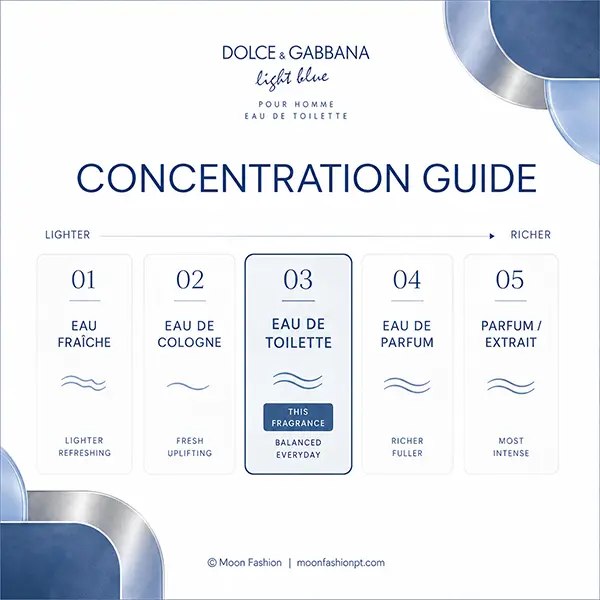
| Concentration | Eau de Toilette |
| Verified Volume Options | 40ml, 75ml, 125ml, 200ml |
| Target User | Men / Pour Homme |
| Application Type | Spray |
| Launch Year | 2007 |
| Country of Origin | Italy |
| Fragrance Family | Citrus Aromatic |
| Main Accords | Citrus, Aromatic, Woody |
| Top Notes | Sicilian Mandarin, Frozen Grapefruit Peel, Bergamot, Juniper |
| Heart Notes | Rosemary, Sichuan Pepper, Rosewood |
| Base Notes | Musk Wood, Incense, Oakmoss |
| Packaging Type | Boxed retail fragrance |


.jpg)