



.jpg)


What happens when apricot meets a clean, citrus opening?
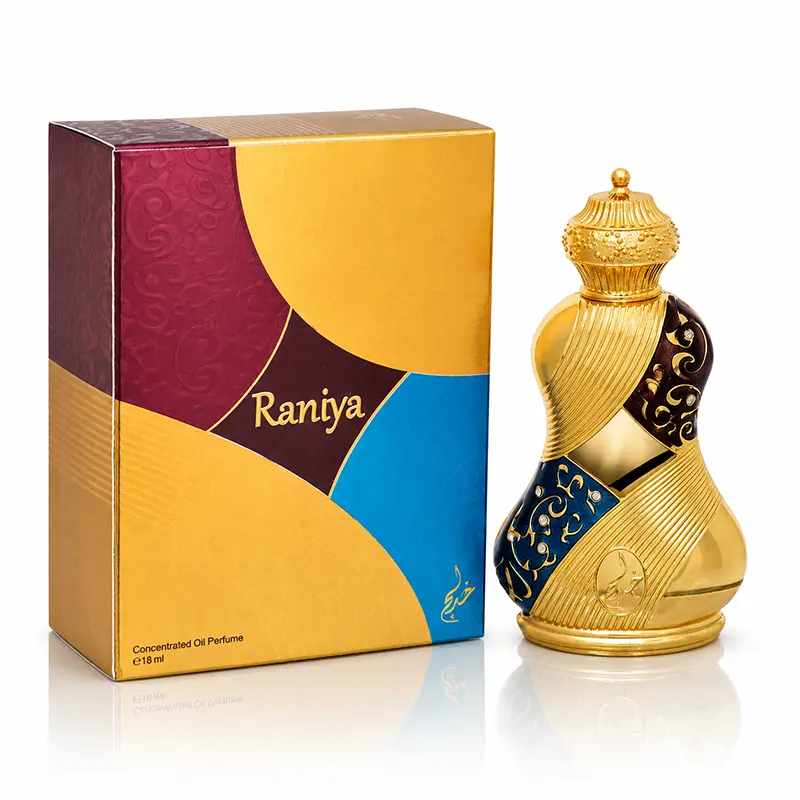
Apricot, violet and tuberose might lead you to expect a gently sweet floral perfume. Khadlaj Raniya Concentrated Perfume Oil gives that picture more contrast: bergamot and white musk open the composition, while amber joins tuberose in the base. This is the non-alcoholic 18ml oil presentation, intended by Khadlaj for application to skin and hair.
Its most useful buying distinction is the gap between a floral note list and the impressions people actually describe. Some purchasers find Raniya more masculine than expected; others recognise fruit, prominent flowers or clean musk. Choose it for the combination of fruit, flowers and brightness, rather than assuming it will be a sugary apricot perfume.
The opening has two directions, not just citrus
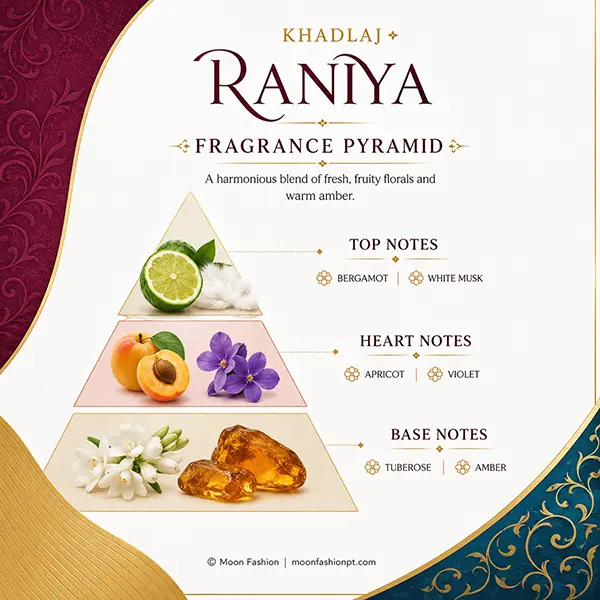
Top Notes: Bergamot, White Musk. Bergamot supplies the citrus reference, while white musk introduces a softer, cleaner counterpoint. Read together, they suggest an opening that can combine lift with smoothness instead of behaving like an uncomplicated citrus splash.
Citrus sharpness and the clean side of the opening
There is a difference between citrus brightness and sugary fruit. Here, the opening fruit reference is bergamot; the rounder apricot comes later in the published structure. If you usually choose perfumes for a lively first impression, that distinction matters more than describing the whole fragrance simply as “fruity”.
What could make the first impression feel sharper?
One wearer describes a bergamot-peel impression with bitterness, while another customer notices sharpness more generally. These personal impressions are useful if you prefer your citrus soft and rounded: an oil format does not automatically remove a livelier edge.
A slightly bitter citrus impression is also different from a fault, an alcohol smell or proof of poor quality. Those conclusions cannot be drawn from these reviews. If sharp citrus is a preference issue for you, a skin trial is more informative than trying to diagnose the bottle from a note list.
Is white musk another white floral note?
No. White musk is a perfumery description, not a flower. In this pairing it offers a useful way to understand the cleaner, smoother side of the opening, but the name does not disclose which musk materials are used.
It also does not guarantee that musk will be the most noticeable element for you. A published note and an individual's impression answer different questions: one describes the intended structure; the other describes what that person noticed.
Apricot changes the fruit reference; violet keeps it floral
Middle Notes: Apricot, Violet. The middle moves away from citrus peel towards a softer fruit idea. Violet accompanies that change rather than allowing the composition to become only a fruit scent. The interest lies in their relationship: roundness from one direction, a floral counterweight from the other.
Apricot sweetness, violet and the balance of the heart
That makes the heart relevant to two different preferences. A buyer who enjoys fruit but wants flowers alongside it may find the pairing appealing. Someone looking specifically for a realistic, dominant apricot should be more cautious: the note list promises its presence in the structure, not a solo performance.
Does the heart justify calling Raniya gourmand or jammy?
Not by itself. A Romanian reviewer describes an apricot-and-tuberose impression like a fruity-floral cocktail. That is useful personal feedback, but it is not evidence of a dessert accord, a syrupy texture or a universally sugary fragrance.
If a rich dessert scent is your main requirement, consider whether the floral and musky sides also appeal to you. The apricot sits within that wider structure, so the attraction is the fruit-and-flower relationship rather than a promised caramel or vanilla sweetness.
Should you expect a strongly powdery violet?
Violet belongs to the floral side of the middle, alongside apricot rather than apart from it. Whether you notice a powdery effect depends on how the combination reads to you. The published note name alone cannot tell you how prominent that effect will be.
For a buyer who loves violet, the important distinction is between wanting the flower as part of a composition and wanting a violet-led perfume. Raniya offers the former in its published structure; a skin trial will help you decide whether the balance satisfies the latter preference.
Tuberose carries the flowers into the warmest stage
Base Notes: Tuberose, Amber. Khadlaj places tuberose in the base, keeping a floral presence in the final listed stage. Amber provides a warmer reference alongside it. The final listed pairing remains floral; it is not simply a switch from fruit to an anonymous woody finish.
Tuberose prominence and the amber finish
This is an important distinction for tuberose lovers and avoiders alike. One verified purchaser found the flower clearly noticeable, while another reviewer linked it with apricot. Those accounts make it worth considering before purchase, without establishing that every wearer will find tuberose dominant.
Why does tuberose matter if it is listed as a base note?
A base-note position is part of the published structure, not a guarantee that you will notice nothing of that note until a fixed time has passed. The stages can overlap during wear. It is more useful to understand tuberose as part of its lasting floral direction than to wait for a scheduled reveal.
If this flower is the reason you are interested, pay attention to the whole wear during a trial. If it is a note you normally avoid, do not assume that its base position makes it irrelevant to the character you experience.
Is the amber note the same as ambergris?
Khadlaj lists amber, and that wording should be preserved. Ambergris is a different fragrance reference; a retailer's alternative wording does not establish that it belongs in the official pyramid.
Here, amber provides the warmer olfactory reference alongside the flowers. If you enjoy floral perfumes most when they finish with warmth, this pairing deserves attention. The word amber does not, on its own, mean that the perfume will smell of vanilla or reveal which materials create the effect.
A fruity-floral structure can still feel masculine to some wearers
User experience: several purchasers describe Raniya as leaning masculine, including one who noticed that impression as it settled on her skin. Other accounts place more emphasis on fruit, tuberose or musk. These are different responses to the perfume, not evidence that its official notes need rewriting.
How to interpret different wearer impressions
The distinction is useful because gender labels can hide the actual purchase question. Would you enjoy this combination if it felt cleaner or less softly floral than you imagined? Your answer is more informative than deciding that apricot must be feminine or that musk must be masculine.
Which contrast would you most like to wear?
Think of the composition as three connected preferences rather than six separate purchases. You might enjoy the brightness of bergamot but want something beyond citrus; the apricot and violet then give you a different centre to consider. You might instead be drawn to tuberose, in which case the warmer amber pairing matters as much as the first impression.
During a trial, notice which connection holds your interest. If the fruit feels quieter than expected but you enjoy the flowers, that can still be a satisfying choice. If the apricot is your only reason for considering Raniya, the rest of the composition deserves closer attention before you commit. A note list helps you choose what to explore; your enjoyment of the complete fragrance settles the decision.
Do the different reviews prove there are different formulations?
No. Contrasting impressions can be recorded without attributing them to a reformulation, batch difference or separate version. The available accounts do not establish those explanations.
When comparing listings, start with the verifiable identity: Khadlaj, Raniya, concentrated perfume oil and 18ml. For a meaningful comparison, use a listing that identifies this same oil presentation and check its current product information.
What choosing the oil format changes
“Specially formulated to be non-alcoholic”
Khadlaj, Raniya product description
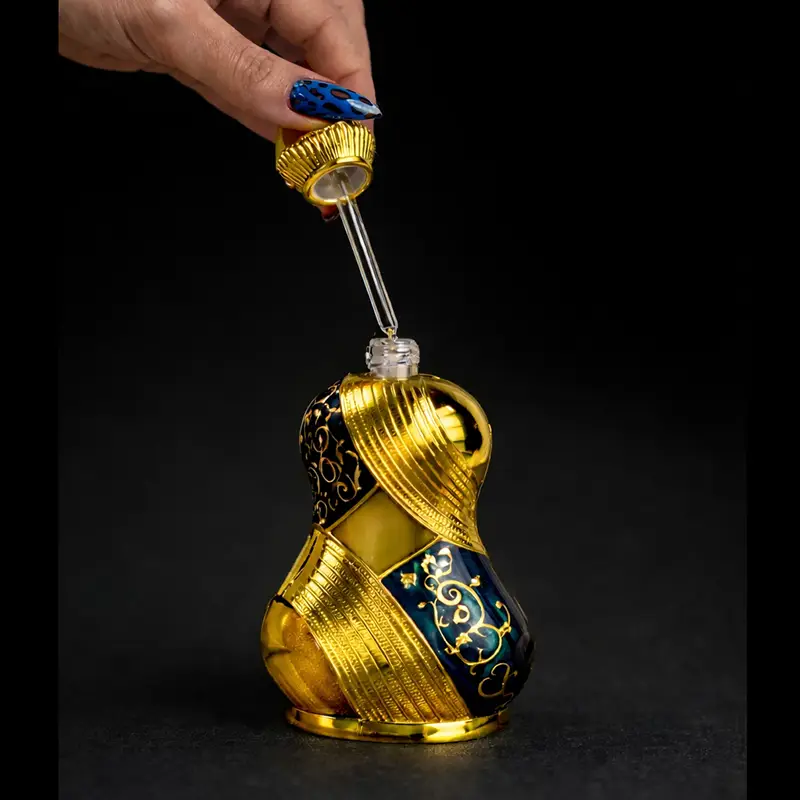
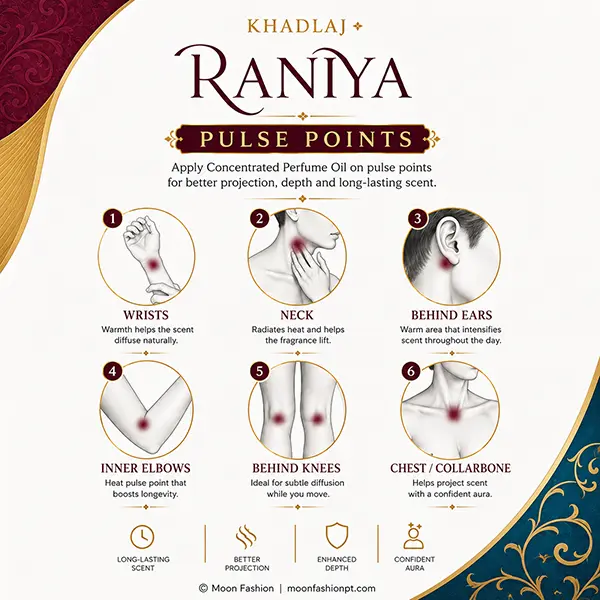
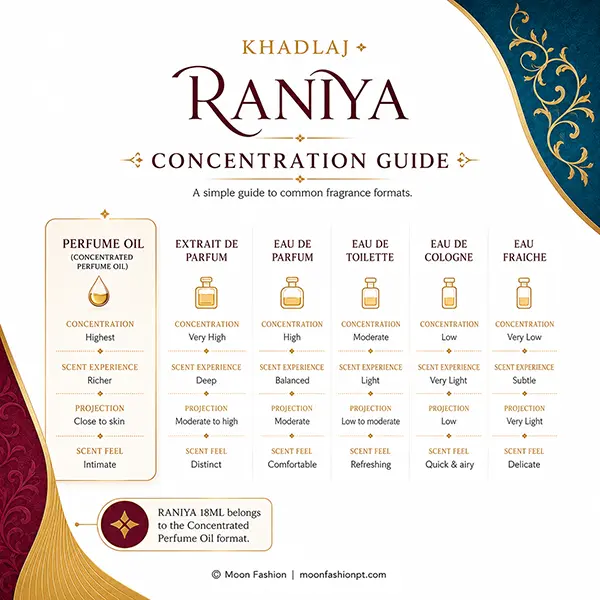
Raniya is an oil presentation rather than an atomised spray. Khadlaj describes it as non-alcoholic and suitable for skin and hair application. That makes the way you intend to use fragrance part of the decision, alongside the scent.
Application habits, concentration and skin sensitivity
- If you want a perfume mist
- This specific presentation is not a spray format.
- If you prefer localised application
- The oil format is relevant, with the product's own instructions guiding use.
- If you compare concentration labels
- “Concentrated Perfume Oil” identifies the product; it does not state a numerical percentage.
Follow the directions on the supplied product. Use the oil as directed rather than counting applications as if they were sprays. A controlled application is a more useful starting point than treating concentration as a challenge to apply the largest possible amount.
Can an alcohol-free oil still cause sensitivity?
Yes. The absence of alcohol does not exclude sensitivity to fragrance substances. Read the ingredient declaration on the packaging you receive, especially if you already know that particular ingredients concern you.
The six fragrance notes are not an ingredients list and cannot replace that check. Likewise, the brand's skin-and-hair positioning should not be turned into a promise that every skin type will tolerate the product.
Wearing Raniya beyond the first impression
Some users report good staying power. Treat that as encouraging wear feedback, while allowing for your skin, application and surroundings. The oil format alone cannot tell you how it will compare with a favourite spray perfume.
Assessing duration, projection and development
Longevity and projection are separate considerations. A perfume can remain perceptible without creating the same impression at a distance. For Raniya, the positive longevity comments are useful context, while projection is best assessed during your own wear.
How can you make a trial more useful?
Notice three things separately: the opening you first smell, the character after it settles, and whether the later floral warmth remains enjoyable. This helps you judge the actual contrasts in Raniya rather than evaluating it only from the first impression.
If you are comparing it with another fragrance, consider similar application conditions and keep your own preference central. This is a way to assess your experience, not a performance test that can produce a universal hour count for everyone else.
Keep the presentation separate from the scent description
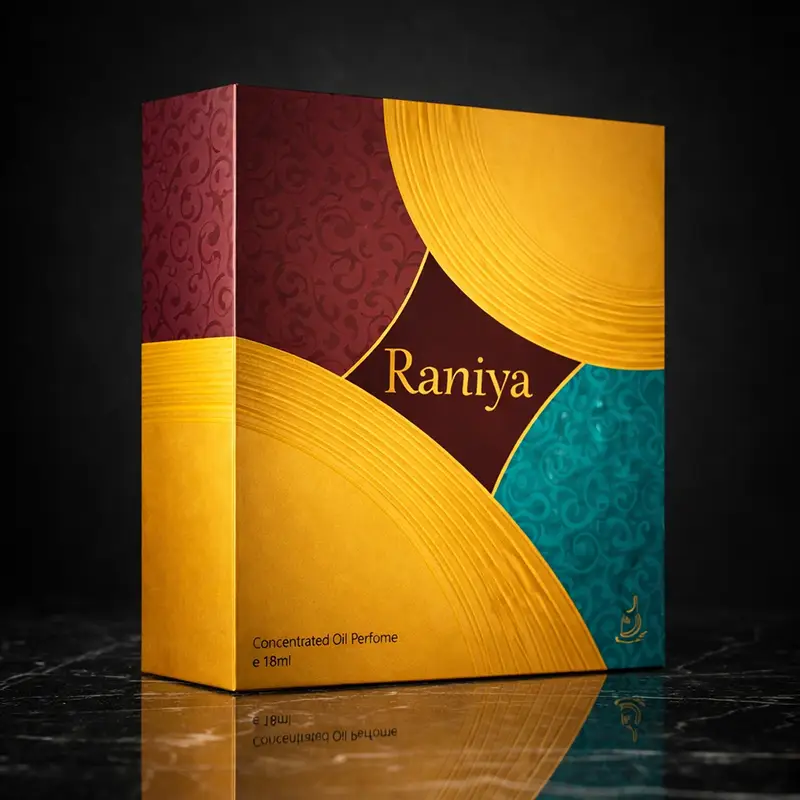
The product name, format and size are useful checks when ordering online. This page concerns the 18ml concentrated perfume oil. Compare like with like: a sample, a spray or another stated volume may offer a different quantity or application format, even when a listing uses a similar name.
Checking the 18ml presentation before use
The 18ml oil is associated with EAN 6291107973432. That can help cross-check a stated reference, but a barcode is not an authenticity certificate. The supplied packaging and the seller's product information should agree on the presentation you are buying.
Which details should matter most when the bottle arrives?
Check that the product name and declared volume match your order, then read the product's ingredient and use information before applying it. If a material detail differs from the listing, ask the seller to clarify it rather than assuming that a change in wording explains a different formula.
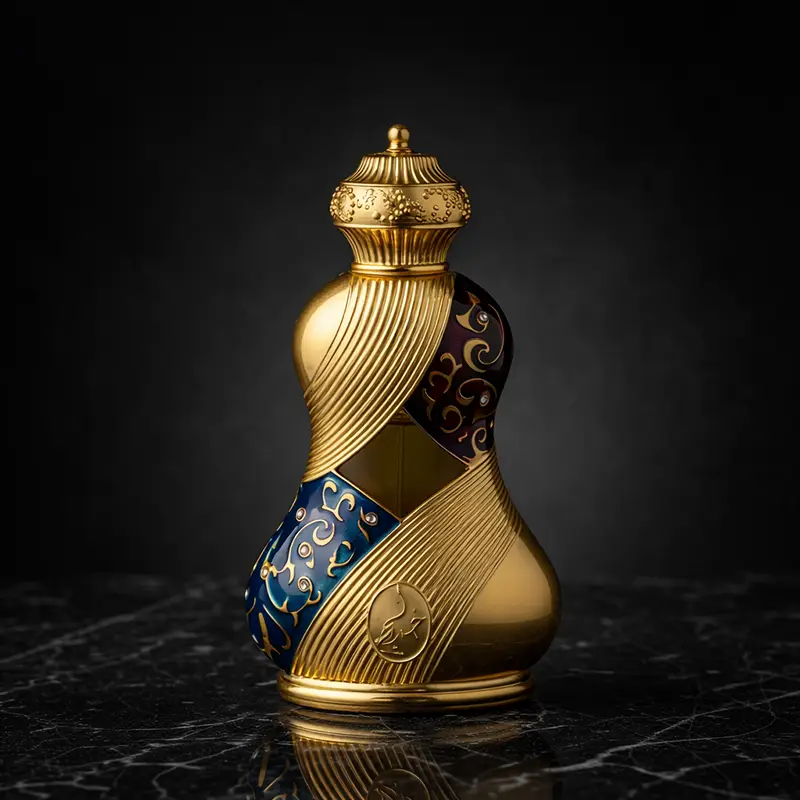
Decorative colour, lettering or a barcode on its own cannot settle every question about a fragrance. Equally, a description from another shop should not replace the instructions supplied with your bottle. Keeping these checks separate from your scent preferences makes it easier to distinguish an ordering issue from an aroma that simply wears differently than you expected.
Is this the right 18ml fragrance for your preferences?
Raniya makes the most sense when citrus and musk appeal to you as much as soft fruit and flowers. Its appeal does not depend on being an apricot soliflore, a dessert perfume or a universally gentle floral. The warmer tuberose-and-amber direction is part of the choice from the beginning. Consider that ending alongside the opening, especially if your favourite perfumes usually stay fresh rather than becoming warmer.
If you are still comparing formats or scent directions, the Khadlaj collection provides a wider browsing point. Choose Raniya for the contrast you want to wear: a bright, musky introduction, a fruit-floral middle and a warmer floral base in a non-alcoholic oil.
Would you rather visit a Moon Fashion shop in Portugal?
Moon Fashion has physical shops in Portugal. Before travelling specifically for Raniya, contact the team to check whether the product or a tester is available at your chosen location. You can find the Moon Fashion shop locations.
| Specifications | Descriptions |
|---|---|
| Brand | Khadlaj |
| Product Name | Raniya |
| Product Category | Personal Fragrance |
| Concentration | Concentrated Perfume Oil |
| Liquid Volume | 18ml |
| Target User | Unisex |
| Application Type | Skin and Hair |
| Alcohol Content | Non-alcoholic |
| EAN-13 | 6291107973432 |
| Top Notes | Bergamot, White Musk |
| Middle Notes | Apricot, Violet |
| Base Notes | Tuberose, Amber |
| Bottle Design | Ornate gold-toned presentation with coloured decorative panels |
| Packaging Type | Presentation Box |
| Longevity / Wear Experience | Some users report good longevity; individual results vary |
Latest Reviews
You May Also Like